
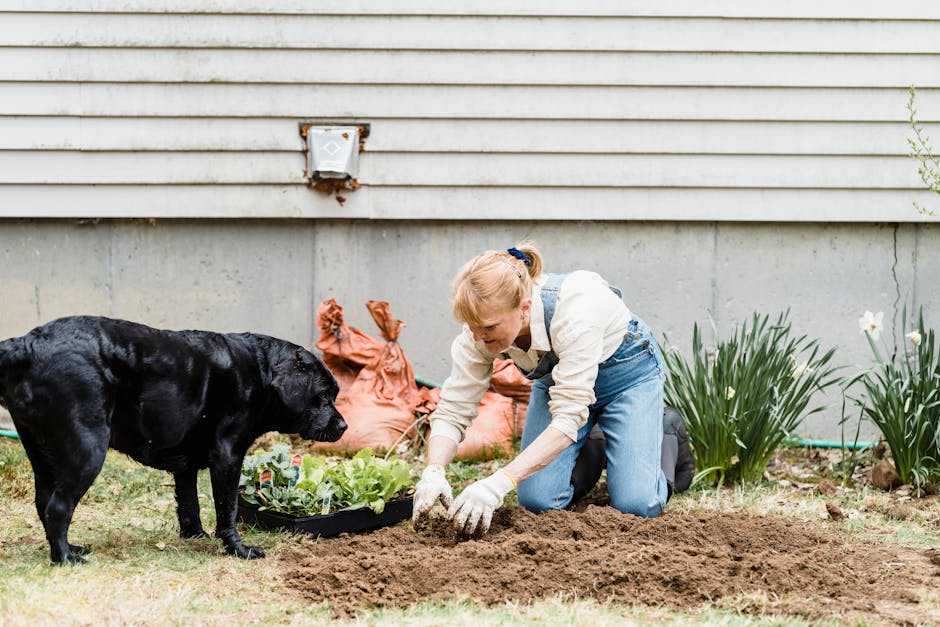
Why Companion Planting Works
Companion planting isn’t folklore gardening it’s biology in action. The idea is simple: pair plants that play well together, and you’ll get more than just extra veggies. Done right, it leads to fewer pests, better tasting crops, and stronger yields without leaning on synthetic fixes.
It all starts with biodiversity. Mixing plant types confuses pests and invites friendly bugs. Marigolds next to lettuce? Aphids think twice. Beans growing with corn? They add nitrogen, helping both thrive. Timing matters too some plants mature quick and clear space for slower growers. The goal is to keep roots, and beneficial insects, active year round.
Proximity is the secret sauce. When edible plants grow close enough to trade nutrients, share shade, or attract pollinators, the whole bed becomes more productive. Flowers like nasturtiums pull aphids away from kale. Aromatic herbs discourage moths and beetles. And under the surface? The soil gets a workout, full of varied microbes improving structure and fertility.
In short: the more intentional the pairings, the better your garden works. Less spraying, more flavor, and a system that mostly runs itself. That’s the real win.
Smart Pairings That Feed and Protect
Let’s get into the classics that quietly do the heavy lifting in your garden. These combos weren’t just dreamed up they’ve been tested across generations for good reason.
Tomatoes + Basil: If you’re growing tomatoes without basil nearby, you’re leaving flavor (and growth) on the table. Basil not only enhances the taste of ripening tomatoes but also repels pests like aphids and hornworms. Keep basil within a foot or so of each tomato plant for maximum impact.
Carrots + Leeks: This is your pest control dream team. Leeks keep carrot flies at bay, while carrots fend off leaf miners that like leeks. Bonus: their root systems don’t compete, so you can plant them close and save space.
Beans + Corn + Squash (Three Sisters): The Native American staple still holds up. Corn gives vertical support for pole beans. Beans fix nitrogen in the soil. Squash sprawls wide, creating natural mulch to suppress weeds. It’s synergy with nothing wasted. Rotate planting spots each season to keep the soil balanced.
Lettuce + Radishes: These fast growers work well in tight beds. Radishes grow fast and break up the soil, giving lettuce roots room to settle. As lettuce gets taller, it shades the radish tops, reducing heat stress. Plant them together and stagger your harvest.
Use these pairings as your foundation. They’re simple, and they work. No extra fuss, just better yields and fewer problems.
Unexpected Combos That Actually Work

Some companion plantings don’t appear obvious at first glance but they work brilliantly once you understand the science. These pairings bring surprising benefits, from pest control to better taste.
Strawberries + Spinach
This duo makes efficient use of ground space without competing for resources.
Strawberries serve as a low growing ground cover, helping retain moisture and suppress weeds.
Spinach grows quickly and benefits from shared soil nutrients.
The different growth habits allow both plants to thrive without crowding.
Ideal for: raised beds or container gardening.
Chives + Apples
Fruit trees can benefit from well placed companions, and chives are an unexpected winner.
Chives deter apple scab and other fungal diseases with their natural antifungal properties.
Their onion like aroma also keeps rabbits and deer at bay.
Bonus: when chives bloom, they attract pollinators that help your apple tree flourish.
Kale + Nasturtiums
This is a classic case of protection by distraction.
Nasturtiums act as decoy plants, attracting aphids away from your kale.
They also bring in beneficial insects like predatory wasps and hoverflies.
Kale remains healthier and less stressed thanks to reduced pest pressure.
Both thrive in similar soil and sunlight conditions.
These unlikely alliances create more resilient garden ecosystems and maximize your harvest potential in ways traditional planting often overlooks.
Growing Companions in Tight Spots
You don’t need a sprawling backyard to make the most of edible companion planting. With a little creativity, even the smallest spaces balconies, patios, and apartment windowsills can host productive, mutually beneficial plant pairings.
Companion Planting in Containers
Container gardening offers flexibility and control, making it ideal for urban gardeners working with limited space. Choose compact companion pairs that grow well together without crowding each other out.
Smart container combos:
Tomatoes + Basil: Share nutrients well and keep pests away without taking up too much space
Lettuce + Chives: Chives offer some pest protection while lettuce thrives in their partial shade
Peppers + Marjoram: These plants enjoy similar sunlight and watering needs
Going Vertical: Maximize Light and Space
Make use of vertical space by layering plants wisely. Vining crops can grow upwards, while shade tolerant herbs occupy the space below.
Vertical pairings to try:
Cucumbers + Dill: Grow cukes up a trellis while dill fills in the base area
Pole Beans + Thyme: Beans climb high while thyme spreads at the base
Zucchini + Parsley: Let larger leaves offer afternoon shade for delicate undergrowth
Ideal Combos for Balconies and Patios
Balcony gardeners should consider lightweight, stackable pots and hanging planters. Look for compact or dwarf plant varieties bred for container life.
Easy growing balcony companions:
Radishes + Leaf Lettuce: Quick growing and cool season friendly
Strawberries + Spinach: Spinach grows well under the broader foliage of strawberry plants
Herbs Trio: Basil, oregano, and thyme grow well together, require similar care, and enhance multiple dishes
Learn More About Small Space Success
Whether you’re in an apartment or just working with a small corner of your yard, companion planting can still deliver impressive results. For more strategies tailored to tight spots, check out this helpful guide: Gardening in Small Spaces.
What to Avoid (and Why)
Some plants just don’t play well with others and if you’re not careful, they’ll sabotage your hard work.
Let’s start with fennel. It’s a loner in the garden for a reason. This herb releases compounds into the soil that can suppress the growth of many nearby plants. It doesn’t care if you’re growing beans, tomatoes, or lettuce it’ll throw everything off balance. Give fennel its own space, far from the rest of your edible patch.
Next up: the uneasy alliance between alliums (think garlic, onions, leeks) and legumes (like beans and peas). Both are heavy feeders in their own right, and when planted too closely, they end up battling for nutrients. Not ideal when you’re aiming for strong yields and healthy soil.
Then there’s the issue of root overcrowding. Even among friendly companion plants, space is critical. When roots choke each other out, it stunts growth above ground. Overstuffed beds might look lush for a while, but underneath it’s a silent struggle. Keep spacing in check and choose combinations that complement each other’s root depths and needs.
A thriving garden isn’t just about what you plant together it’s about what you keep apart.
Harvest Benefits Beyond the Plate
Companion planting isn’t just about optimizing space or reaping more vegetables. The right pairings can enhance your garden’s health and performance in surprising, long lasting ways. These benefits extend far beyond what you put on your plate.
Pollinators and Beneficial Insects
Some plants are natural magnets for pollinators and predatory insects that act as garden guardians. Including these in your edible garden can create a more balanced and self sufficient ecosystem.
Calendula and Dill: Attract beneficial insects like ladybugs and hoverflies
Lavender and Borage: Draw in bees, supporting pollination for fruiting crops
Yarrow: Lures in parasitic wasps and other pest controlling allies
These plants help reduce reliance on chemical pesticides while boosting overall yield.
Fragrant Herbs as Pest Deterrents
Herbs don’t just flavor your meals they also protect your crops. Their strong scents confuse or repel destructive insects.
Rosemary and Sage: Naturally repel carrot flies, cabbage moths, and more
Thyme: Acts as ground cover while deterring hornworms and whiteflies
Mint (in containers): Deters ants, aphids, and flea beetles but keep it contained due to fast spreading roots
Integrate these herbs around crop borders or between rows for natural pest control.
Mixed Planting = Multiple Harvests
When you layer crops thoughtfully, your garden produces more both in volume and variety.
Early season greens (like arugula or spinach) grow quickly and vacate space for later crops
Root vegetables and above ground plants (e.g., beets with lettuce) use different soil zones efficiently
Succession planting: Sow fast growers between slower crops for staggered harvests
These combinations make the most of every square foot, especially in urban or container gardens.
Learn More: Small Space Companions
Working with limited space? Companion planting actually shines in smaller gardens where efficiency matters most. For detailed strategies on maximizing output in tight quarters, visit this helpful resource: gardening in small spaces.