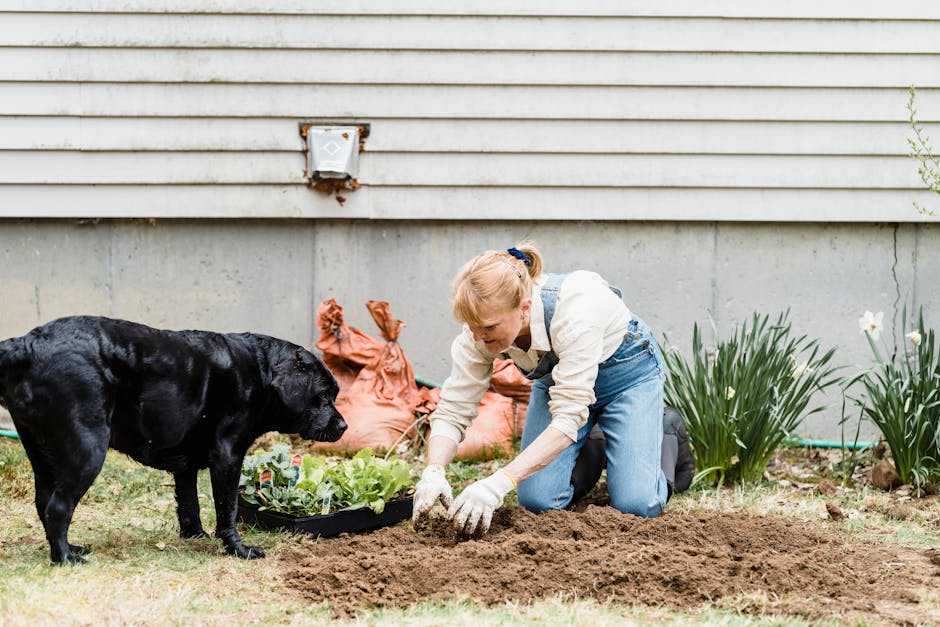

Spring: Wake Up the Landscape
Winter leaves behind more than just cold soil and cracked branches. Come spring, the first order of business is to walk your property and assess the damage look for broken limbs, soggy patches, blown in debris, and signs of rot. Clearing this out gives you room to breathe and a cleaner canvas to work on.
Next up is dethatching your lawn. Over the colder months, organic material builds up just above the soil line, choking out air and water. Rake it loose or use a dethatching tool to break it up, then go in for the first mow of the season low and steady. Just don’t scalp the lawn. Aim to wake it up, not shock it.
Once you’ve got breathing room, test your soil. A basic soil test kit will tell you what nutrients you’re missing. Fertilize accordingly don’t just throw nitrogen and hope for the best. This is about feeding the lawn, not overstuffing it.
Pruning comes next, but it’s selective. Early spring is the right moment to shape shrubs and trees that bloom on new wood. Leave the ones that flower on old growth alone for now or you’ll cut off this year’s show.
Mulch comes after cleanup and pruning. Apply a fresh 2 3 inch layer around beds and under trees thick enough to retain moisture and block weeds, but not so deep it smothers the roots. Pull mulch back from trunks and stems to avoid rot.
Finally, prep your garden beds. Clear out dead plant matter, aerate the soil, and mix in compost. You’re not planting everything yet, just getting the beds ready. It’s all about timing, and spring lays your foundation.
Need a full seasonal breakdown? Use this comprehensive landscaping checklist.
Summer: Growth, Water, and Watchfulness
Summer is when your landscape either thrives or survives. With rising temps and longer days, water becomes currency, and stress shows up fast. Start by upgrading to efficient irrigation drip systems for beds, smart timers for lawns. Water early in the morning, not at high noon when most of it evaporates. Consistency matters more than volume.
When it comes to mowing, cut high. Set blades to the upper third of their range. Taller grass shades roots, holds moisture better, and resists heat stress. Resist the urge to scalp it weakens the lawn and invites weeds.
Speaking of weeds and pests, don’t go nuclear. Opt for spot treatments, mulching, and manual removal. Integrated pest management beats blanket chemical use it’s better for kids, pets, and pollinators.
Deadheading keeps blooms focused on growing, not seeding. Regular snipping means more flowers over time and a cleaner look. Same goes for light summer pruning cut back only what’s overgrown or interfering with airflow and sunlight.
For feeding, choose a slow release, balanced fertilizer made for summer use. Avoid overfeeding it stresses the lawn further. And finally, if drought kicks in, let your grass go dormant. Beige isn’t dead. Just ease off the mowing and foot traffic until rains return.
Fall: Prep for the Off Season

Fall’s about finishing strong and getting your landscape ready to survive winter without falling apart. First up: leaf cleanup. Letting leaves pile up chokes your lawn and invites mold. Blow or rake them up, then compost what’s clean. It’ll turn into rich soil food by spring zero waste, all gain.
Next, lawn aeration and overseeding. Cooler temps and occasional rain create ideal conditions. Aerating opens the soil, giving roots more access to nutrients. Follow with fresh seed to fill bare patches, strengthen overall turf, and crowd out next year’s weeds.
Don’t skip fall fertilization. Grass roots grow deep in fall, and a slow release fertilizer helps them store energy through the cold months. Go for a phosphorus light blend unless a soil test tells you otherwise.
Want to plant anything new? Now’s the window. Trees and shrubs planted in fall get time to establish roots before dormancy. Just water well at planting and mulch generously to protect against frost.
Speaking of frost start protecting what’s vulnerable. Move potted perennials close to the house, wrap sensitive plants in burlap, and keep an eye on early cold snaps. With critters getting hungry, use netting or repellents to save your shrubs from a midnight snack.
Finally, shut down and drain irrigation systems before the freeze. Blow out sprinkler lines, disconnect hoses, and store tools that won’t see daylight till spring. A little effort now keeps your gear ready to roll when things thaw out.
Winter: Light Work, Smart Prep
Winter isn’t a full stop it’s a slow roll. If you’re smart, this is the season you stay quietly ahead. Start with the essentials: clean, sharpen, and store your tools properly. A dull blade in spring is a wasted weekend. Small engine equipment like mowers or trimmers should get drained, oiled, and covered. Maintenance in December saves money in March.
Planning next year’s design now means fewer frantic choices later. Take stock of what worked and what fell flat. Sketch it out, make a materials list, and browse plants or hardscape features while the pressure’s low.
Tree inspections are a must especially after snow or ice. Look for broken limbs, cracks, or leaning trunks. Winter storms punish weak spots. Deal with structural issues early while tree stress is minimal.
Pruning? Keep it light. Now’s the time for shaping, not pushing growth. Focus on removing crossing branches, dead limbs, or correcting structure. Heavy cuts invite trouble this early.
Finally, consider hardscape. Stonework, gravel paths, fire pits these can be built now if temps allow. They also don’t care if the flowers are asleep. Knock them out now, and come spring, you’ll be steps ahead.
Stay ahead with this year round landscaping checklist to keep your yard in top shape every month.
Maximize Results With Seasonal Strategy
Great landscaping doesn’t come from flashy tools or perfect technique it comes from knowing when to act. Timing is everything. Cut back a shrub too early or forget to feed the lawn in fall, and you’ll feel it next season. The best landscapes thrive not because they look good today, but because someone paid attention to what they’d need tomorrow.
That long game saves money, too. Healthy soil and well timed pruning reduce the need for costly fixes down the line. You’re not just managing growth, you’re preventing damage. Plus, routine upkeep whether it’s ten minutes after work or a focused hour on the weekend means fewer big, expensive projects later.
Smart landscaping makes your yard work harder year round. That curb appeal you want in July? It starts with what you did back in March. A little strategy, done consistently, goes a lot further than last minute perfection. Treat it like any other good habit: a bit at a time, built for the long run.
 There is a specific skill involved in explaining something clearly — one that is completely separate from actually knowing the subject. Johnel Wisetead has both. They has spent years working with inspiration corner in a hands-on capacity, and an equal amount of time figuring out how to translate that experience into writing that people with different backgrounds can actually absorb and use.
Johnel tends to approach complex subjects — Inspiration Corner, Interior Design Trends, Gardening and Landscaping Tips being good examples — by starting with what the reader already knows, then building outward from there rather than dropping them in the deep end. It sounds like a small thing. In practice it makes a significant difference in whether someone finishes the article or abandons it halfway through. They is also good at knowing when to stop — a surprisingly underrated skill. Some writers bury useful information under so many caveats and qualifications that the point disappears. Johnel knows where the point is and gets there without too many detours.
The practical effect of all this is that people who read Johnel's work tend to come away actually capable of doing something with it. Not just vaguely informed — actually capable. For a writer working in inspiration corner, that is probably the best possible outcome, and it's the standard Johnel holds they's own work to.
There is a specific skill involved in explaining something clearly — one that is completely separate from actually knowing the subject. Johnel Wisetead has both. They has spent years working with inspiration corner in a hands-on capacity, and an equal amount of time figuring out how to translate that experience into writing that people with different backgrounds can actually absorb and use.
Johnel tends to approach complex subjects — Inspiration Corner, Interior Design Trends, Gardening and Landscaping Tips being good examples — by starting with what the reader already knows, then building outward from there rather than dropping them in the deep end. It sounds like a small thing. In practice it makes a significant difference in whether someone finishes the article or abandons it halfway through. They is also good at knowing when to stop — a surprisingly underrated skill. Some writers bury useful information under so many caveats and qualifications that the point disappears. Johnel knows where the point is and gets there without too many detours.
The practical effect of all this is that people who read Johnel's work tend to come away actually capable of doing something with it. Not just vaguely informed — actually capable. For a writer working in inspiration corner, that is probably the best possible outcome, and it's the standard Johnel holds they's own work to.